

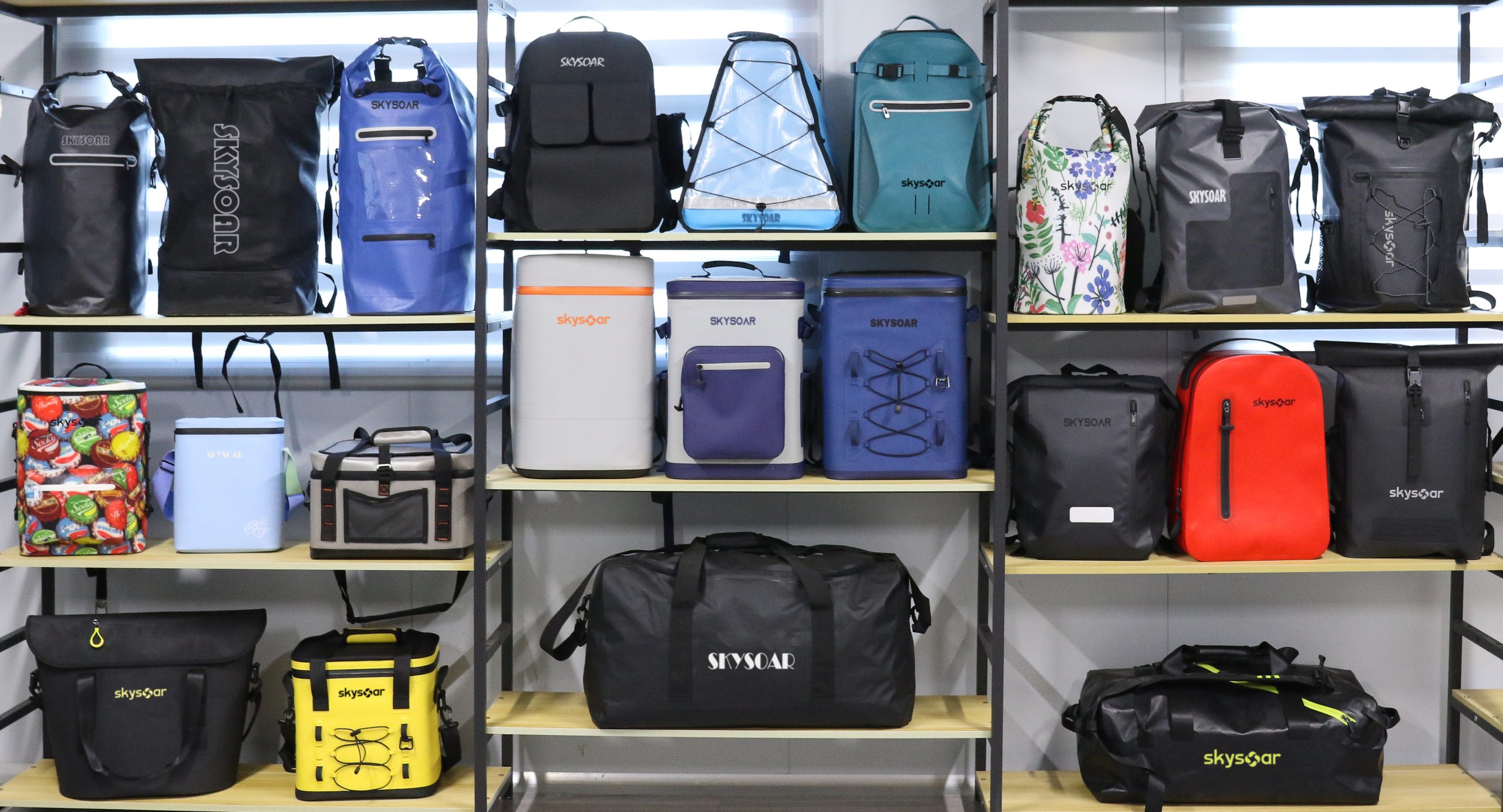
The material you choose for a welded bag determines its performance, durability, weight, cost, and environmental profile. Unlike sewn bags, where the fabric itself carries most of the structural load, welded bags distribute stress across the entire seam. This means the material’s weldability is just as important as its strength.
This guide covers the materials for welded bags most commonly used in production, their properties, applications, and how they affect the welding process.
TPU (Thermoplastic Polyurethane)
TPU is widely regarded as the premium material for welded bags. It is a thermoplastic elastomer that combines the flexibility of rubber with the processability of plastic.
Properties:
- High abrasion resistance
- Excellent flexibility across a wide temperature range
- High tensile strength
- Transparent to translucent appearance
- Excellent weldability with RF, sonic, and heat methods
- Resistant to oils, greases, and many chemicals
- Biodegradable variants are available
- Compliant with REACH and CA Prop 65
Applications:
- Premium dry bags for water sports
- Tactical and military bags
- High-end cooler bags
- Medical and specimen bags
- Pet carriers
- Luxury travel bags
TPU is the material of choice for premium applications. It is the preferred material for dry bags where waterproof performance and durability are critical.
PVC (Polyvinyl Chloride)
PVC is the most widely used material for welded bags. It is cost-effective, easy to weld, and produces durable bags suitable for a broad range of applications.
Properties:
- Excellent waterproof performance
- Good abrasion resistance
- Easy to weld with all methods
- Available in a wide range of colors and finishes
- Lower cost than TPU
- Heavy-duty options available (e.g., 840D PVC tarpaulin)
- Compliant with REACH and CA Prop 65 when properly formulated
Applications:
- Dry sacks and dry bags
- Duffel bags
- Cooler bags
- Promotional bags
- Tactical bags
- Medical bags
PVC is the workhorse material of the welded bag industry. It is suitable for most applications and offers the best value for most buyers.
Tarpaulin Fabric
Tarpaulin is a heavy-duty coated fabric designed for extreme conditions. It is commonly used in military, industrial, and outdoor applications.
Properties:
- Exceptional tear and abrasion resistance
- Excellent waterproof performance
- UV resistant
- Heavy and durable
- Welds well with heat and RF methods
- Available in various weights (e.g., 600D, 840D, 1000D)
Applications:
- Military assault packs
- Industrial equipment bags
- Heavy-duty duffels
- Tactical bags
- Expedition gear bags
PVC tarpaulin is one of the most durable materials available for welded bags. It is the preferred choice for applications where the bag will face extreme abuse.
Oxford Cloth
Oxford cloth is a woven fabric traditionally used in sewn bags. When coated with PVC or TPU, it becomes suitable for welding.
Properties:
- Strong and durable
- Available in various deniers (e.g., 300D, 600D, 900D)
- Good abrasion resistance
- Requires coating for weldability
- Cost-effective
Applications:
- Cooler bags
- Backpacks
- Duffel bags
- Travel bags
Oxford cloth is often used in welded bags where a fabric-like appearance is desired.
Polyester
Polyester is a versatile synthetic fabric used in many types of bags. Welded polyester bags typically use a coated or laminated variant.
Properties:
- Good strength and durability
- Resistant to stretching and shrinking
- Quick-drying
- UV resistant
- Cost-effective
- Available in recycled form (RPET)
Applications:
- Laptop bags
- Backpacks
- Cooler bags
- Travel bags
RPET (recycled polyester) is available as an eco-friendly option for environmentally conscious buyers.
Nylon
Nylon is a high-performance fabric known for its strength and lightweight properties. It is commonly used in tactical bags and outdoor gear.
Properties:
- Excellent strength-to-weight ratio
- High abrasion resistance
- Good flexibility
- Resistant to chemicals and solvents
- Requires coating for welding
Applications:
- Tactical bags
- Outdoor backpacks
- Rolling bags
- Travel bags
Nylon welded bags are popular in the tactical and outdoor markets.
Neoprene and EVA
Neoprene and EVA are foam-based materials used for lightweight, insulated bags. Neoprene provides natural thermal insulation with a closed-cell structure, making it ideal for cooler bags and insulated lunch bags. EVA is softer and lighter, used mainly for cosmetic bags, toiletry bags, and small accessory bags. Both materials are waterproof and weldable with RF or heat methods.
Material Selection Guide
Choosing the right material depends on the intended application, budget, and performance requirements:
- Maximum waterproof performance: TPU or PVC
- Maximum durability: Tarpaulin or heavy-duty PVC
- Eco-friendly options: Recycled TPU or RPET
- Cost-effectiveness: PVC or polyester
- Tactical use: TPU, PVC tarpaulin, or nylon
- Cooler bags: TPU, neoprene, or insulated PVC
- Cosmetic bags: EVA or thin PVC
- Laptop bags: Polyester, Oxford, or nylon
Material Certifications and Compliance
When sourcing welded bags, ensure that materials comply with relevant standards:
- REACH (European Union): Regulates the use of chemicals in products sold in the EU. REACH compliance ensures that bags do not contain harmful substances.
- CA Prop 65 (California, USA): Requires warning labels for products containing certain chemicals. CA Prop 65 compliance ensures that bags are safe for use in California.
- ISO9001: Certifies that the manufacturer has a quality management system in place.
- BSCI: Business Social Compliance Initiative. Ensures ethical manufacturing practices.
- SEDEX: Supplier Ethical Data Exchange. Provides supply chain transparency.
The Welding Process and Material Compatibility
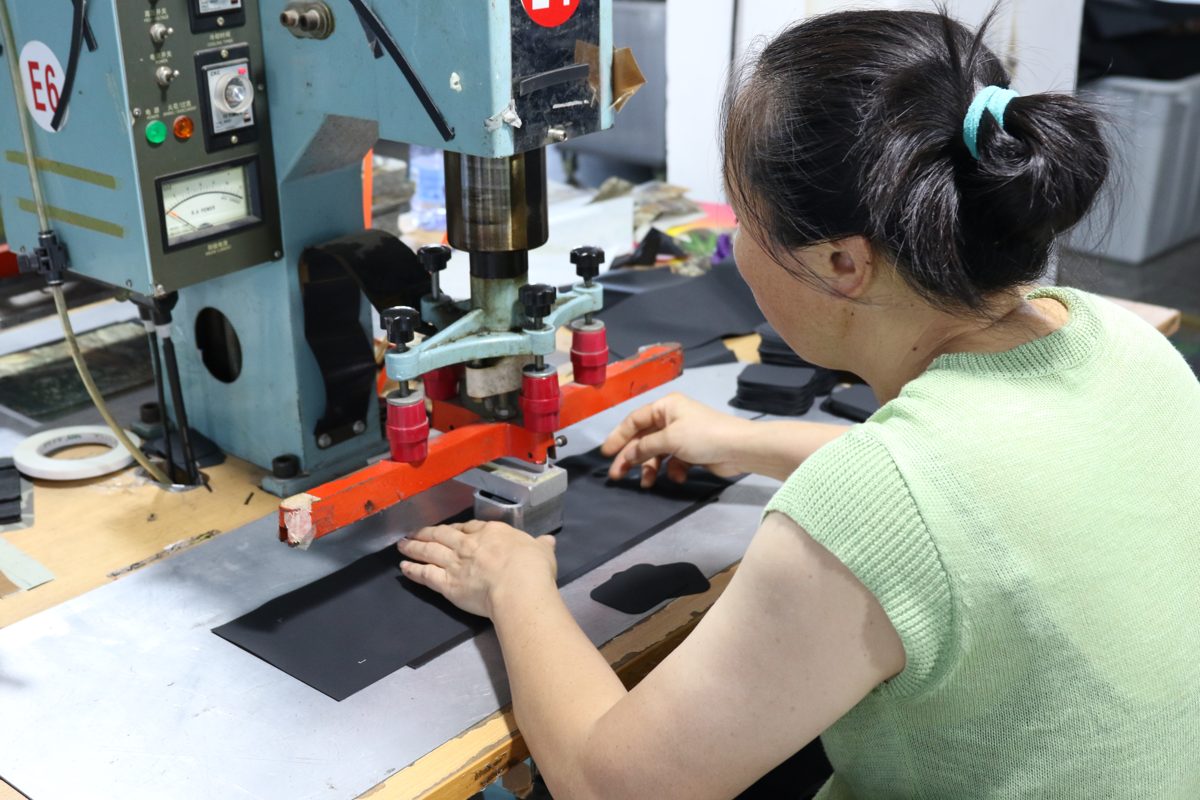
Different materials require different welding techniques. RF welding is best for PVC and TPU and produces the strongest welds. Sonic welding suits TPU and synthetic fabrics, producing precise, clean welds for thinner materials and detailed designs. Heat welding handles PVC tarpaulin and heavy-duty materials with robust, visible weld lines.
For a full explanation of how RF, sonic, and heat welding work and how to choose between them, see our Complete Guide to Welded Bags. And if you are still deciding between welding and sewing, start with Welded vs Sewn Bags.
Conclusion
The material you select for a welded bag is the single most important decision in the product development process. TPU offers the best overall performance for premium applications. PVC provides the best value for most use cases. Tarpaulin delivers maximum durability for extreme applications.
For OEM buyers, the key is to select a manufacturer with experience in welding the specific material you need, and with the certifications that your market requires. Browse our full range of welded bags to see how these materials are applied in production.

Leave A Comment